

I Spent Two Years Angry at a Pile of Documents. So I'm Building the Thing I Needed.
Notes from building a startup on nights and weekends — while keeping the day job that funds it.
A few years ago, I sat on my office room floor surrounded by printouts: recommendation letters, award certificates, publications, press mentions, pay stubs, screenshots. Hundreds of pieces of paper that were supposed to prove, to a government officer I would never meet, that my work mattered.
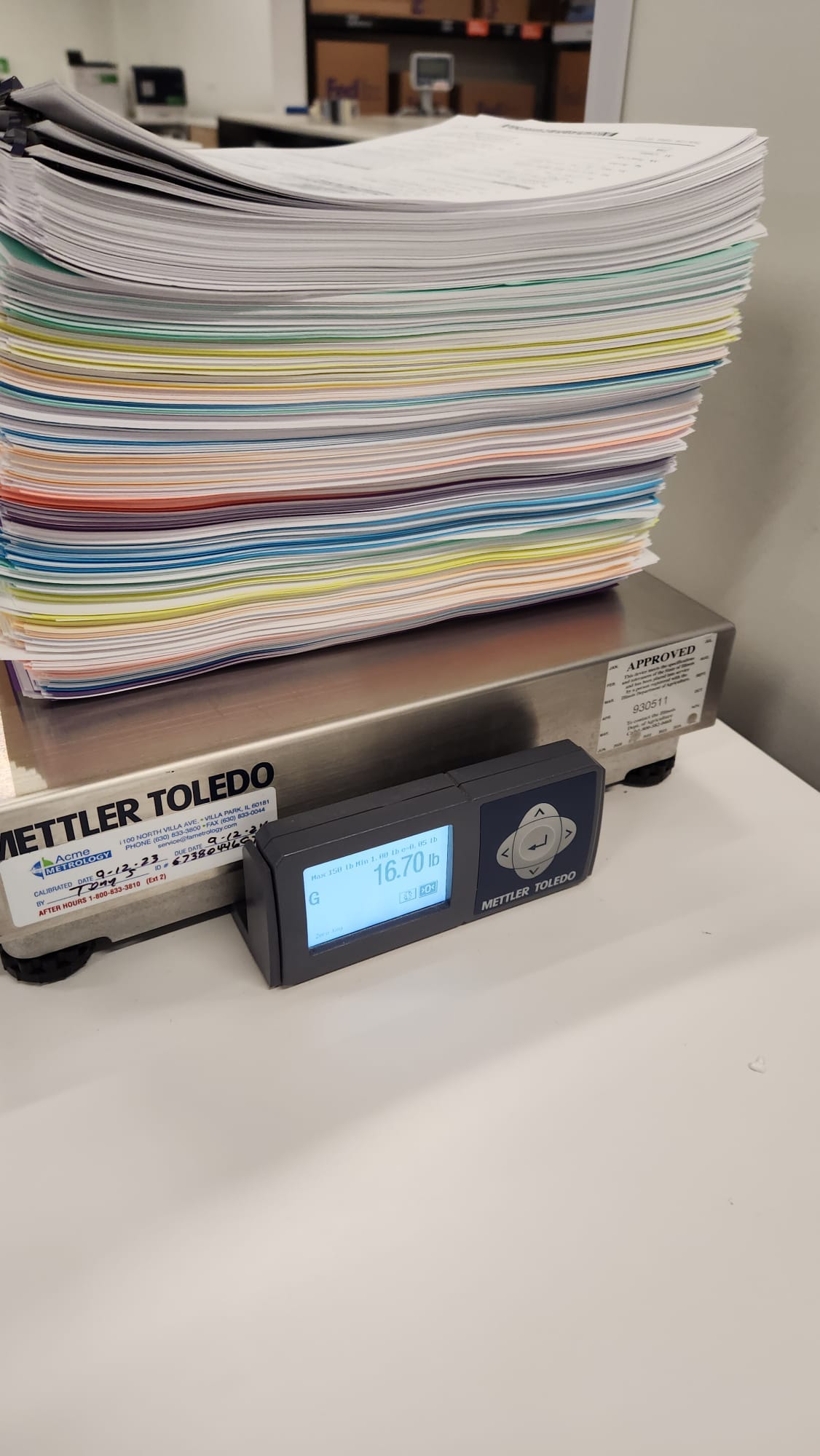
Nobody could tell me which of those documents actually helped my case. Not the internet. Not the forums. And — this was the part that surprised me — not always the professionals either, until well after I’d paid them. The evidence was mine, the story was mine, but the map between my evidence and what the law actually required was locked away.
I got through my own immigration process. The pile of paper on the floor stayed with me.
The problem I couldn’t unsee
Once you’ve lived it, you see it everywhere. Talk to anyone going through a high-skill U.S. visa process and you hear the same two complaints, from opposite sides of the table.
Applicants say: I don’t know what evidence I need, whether what I have is strong, or how any of it connects to the legal requirements — until I’ve already committed.
Attorneys say: I spend an enormous share of my time collecting, sorting, and re-reading scattered documents before I can do the thing I’m actually good at — legal strategy.
That’s not a knowledge problem. It’s a structure problem. The applicant holds the raw material; the attorney holds the framework. Today they meet in an email thread with fourteen attachments named.

I decided to build the missing middle: a workspace where an applicant’s evidence gets organized against the actual criteria before the expensive hours start. It’s called Meritocrat.
I won’t go deep on the mechanics here — partly because it’s early, partly because some of it is still being reviewed by people far more qualified than me. The short version: applicants answer structured questions and organize their evidence; the structure does the translating; professionals start from an organized case instead of a shoebox of PDFs.
Building it the unglamorous way
Here’s the part that founder content usually edits out: I have a day job. Still.
I’ve worked in technology for fifteen years, and right now that career funds this company. Meritocrat gets built on evenings, weekends, early mornings, and every hour I can defend on my calendar. It’s bootstrapped. The budget is real money from my own pocket, and every dollar has a job.
I used to feel like this made me less of a “real” founder. I’ve changed my mind. Constraints have been the best product manager I’ve ever worked with. When you have four hours on a Tuesday night, you don’t build speculative features. You build the one thing a user complained about on Monday.
A few other things this stage has taught me:
Research is not momentum. I spent about two years understanding this problem — living it, then interviewing the people on both sides of it. Necessary, but at some point “learning” becomes a very comfortable way to avoid shipping. Drawing that line was harder than any technical decision.
Experts will talk to you if you respect their time. Some of the most valuable feedback on our approach has come from people who spent years inside the system we’re building for. I expected gatekeeping. I found generosity — as long as I showed up with specific questions instead of a pitch.
Shipping something small is a different sport than planning something big. We recently put the first version in front of real users. It is humbling in exactly the ways you’d expect. People don’t read your carefully written instructions. They get stuck in places you thought were obvious. Every one of those moments is worth ten strategy documents.
Why I’m writing this
I’m going to document this build openly — the decisions, the doubts, the slow parts. Not the growth-hack version; the actual version, where progress looks like one stubborn founder, a day job, and a product that gets a little less wrong every week.
If any of this resonates, three small asks:
If you’ve been through a U.S. immigration process — or are staring one down — I’d love to hear what the hardest part was. Reply or leave a comment. I read everything.
If you work in immigration law and any of this made you nod (or wince), I want to talk to you. The wincing is the valuable part.
Subscribe if you want to follow along. I’ll write when there’s something honest to say, not on a content calendar.
The pile of paper on my living room floor never should have been my problem to solve alone. Working on making that true for the next person.
— Ramprasad
Meritocrat is at meritocrat.us.