

Most people approach Extraordinary ability the same way.
Find three criteria.
Collect documents.
Submit the petition.
On the surface, this feels logical. USCIS lists ten criteria. The regulation says you must meet at least three. Naturally, people turn the process into a checklist exercise. The problem is that this mindset quietly undermines strong cases.
Extraordinary ability is not evaluated the way many people think it is.
An officer is not counting documents. They are trying to understand something far more fundamental. Who are you in your field. Why does your work matter. And why has recognition already formed around you.
When Extraordinary ability is treated as a checklist, evidence becomes fragmented. Each criterion is handled in isolation. Letters repeat the same praise. Exhibits feel disconnected. The story never quite comes together. Even when three or four criteria are technically met, the case feels thin.
That is where risk begins.
What Extraordinary ability actually evaluates is simpler than most explanations suggest, yet harder to execute without clarity.
Does your work benefit the United States in a meaningful way
Are you positioned in a clearly defined and specific field of endeavor
Have you achieved sustained recognition within that field
These are the questions being answered, whether they are explicitly stated or not.
Everything else exists to support them.
Criteria are not goals. They are evidence containers. They exist to help demonstrate recognition and impact, not to replace them. Once I understood this, the entire process changed for me.
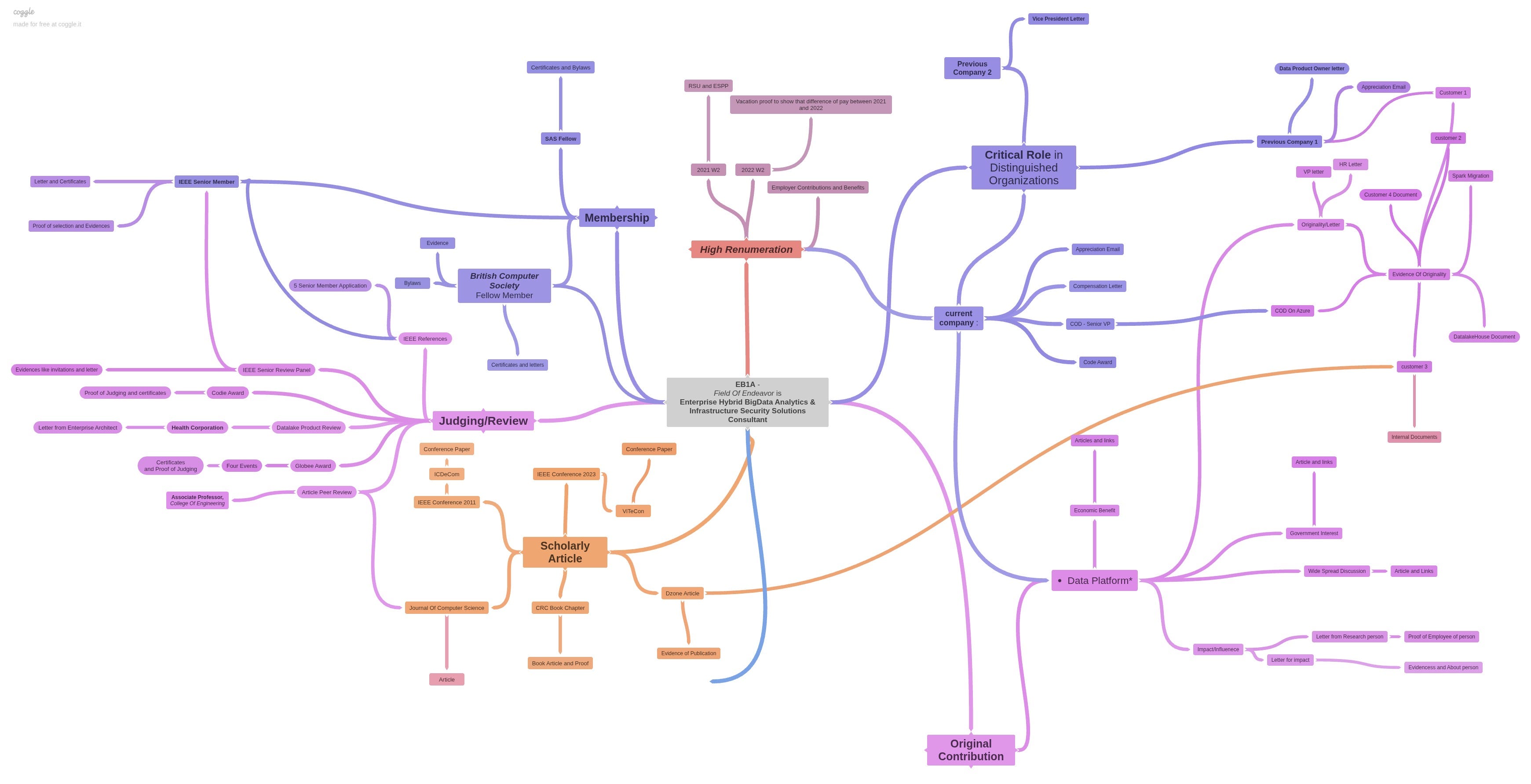
Before that realization, my evidence felt random. I was collecting documents because they fit a criterion, not because they strengthened a narrative. I was trying to prove eligibility instead of explaining significance.
The shift came when I narrowed my field of endeavor. Not broadly. Precisely. Once the field became clear, everything else aligned naturally. Projects connected. Testimonials became specific. Expert letters stopped sounding generic. Evidence stopped repeating itself.
Most importantly, the narrative became intentional.
I stopped asking whether I met three criteria. I stopped counting. I stopped optimizing for minimum thresholds. Instead, I asked a different question.
If someone with no prior knowledge of my work reads this petition, will the story make sense to them.
That question is uncomfortable, but it is powerful.
Because Extraordinary ability is not about convincing yourself that you qualify. It is about helping a stranger understand why recognition already exists around your work. When that understanding is clear, criteria stop feeling like hurdles. They become natural confirmations of a story that already holds together.
That is when Extraordinary ability stops being a checklist. And starts becoming what it was meant to be. A recognition based evaluation of extraordinary ability.
